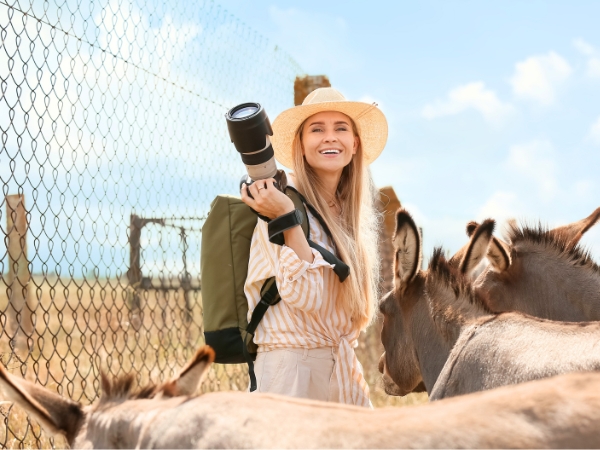
Welcome to Bonaire, a stunning Dutch island known for its exceptional diving sites and natural beauty. Renting a vehicle is essential for exploring the island's hundreds of remote beaches and beautiful parks at your own pace. However, with the freedom of the open road comes the responsibility of safe and conscientious driving, particularly to protect the island's environment and wildlife. Although Bonaire's traffic culture is relaxed, visitors should remain vigilant and adhere to local regulations, as careful attention is necessary to navigate potential hazards on the roads.
Navigating Bonaire’s roads requires an understanding of key traffic rules. You must drive on the right-hand side of the road and prioritise the main road for right-of-way, which differs from many places where traffic from the right has priority. Although local drivers may extend courtesy, visitors need to be cautious and yield at uncontrolled intersections.
With no traffic lights, roundabouts and signs direct traffic, and drivers must yield to those already circulating. Strictly enforced, stop signs require a full stop, and violations can lead to immediate fines. Additionally, seat belts are mandatory for all occupants, crucial for safety due to the unpredictable road conditions and wildlife.
Speed limits are strictly regulated, and law enforcement actively uses radar traps to ensure compliance. You must adhere closely to the designated speeds to avoid heavy fines. In urban areas and built-up zones, such as the capital Kralendijk, the speed limit is set at 40 kilometres per hour (25 miles per hour). This low speed is necessary due to the narrow streets, the presence of pedestrians, and commercial activities.
Outside of towns, on rural and open roads, the limit generally increases to 60 or 70 kilometres per hour (37 - 43 miles per hour). Visitors must understand and respect these limits, recognising that higher speeds drastically reduce reaction time when faced with the sudden appearance of a donkey or a deep pothole.
The most crucial regulatory point for visitors is the requirement for mandatory insurance. A minimum of Third-Party Liability Insurance is compulsory for all vehicles operating on the island. This legal requirement means that every driver must carry proof of valid insurance documentation at all times whilst operating the vehicle. When renting, tourists must confirm the details of this coverage and understand what, if any, additional coverages they require, as rental agreements often feature substantial deductibles that leave the renter financially exposed to damage.
To maintain driver focus and safety, several key prohibitions are in place. The use of mobile phones is strictly regulated, making it illegal for drivers to use handheld devices while driving; communication must be done via hands-free options. Drinking and driving is also taken seriously, with a maximum legal blood alcohol level of 0.5 promille. Visitors should avoid consuming alcohol before driving to prevent severe penalties and ensure safety. Additionally, parking regulations must be followed closely; parking is prohibited along yellow solid lines and against the direction of traffic, with fines swiftly issued for violations.
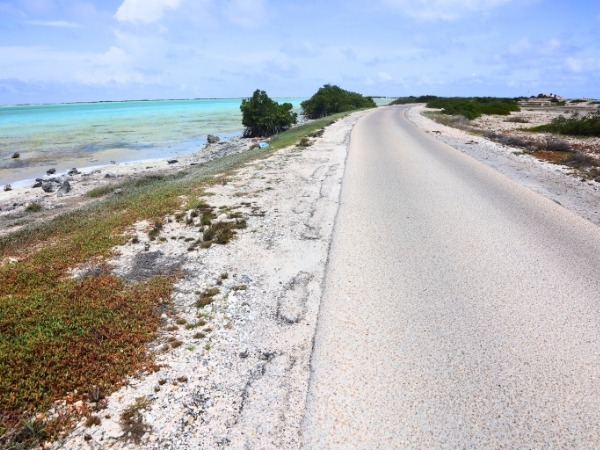
The quality of Bonaire’s roads presents a distinct set of challenges for drivers. Whilst the main thoroughfares in and around Kralendijk are paved with asphalt, the general state of the pavement can be highly inconsistent. Many primary roads are riddled with potholes of various depths and sizes. Drivers must maintain an acutely slow and attentive approach, constantly scanning the road surface to anticipate and avoid these craters, which can easily cause damage to the vehicle’s tyres or suspension.
Furthermore, the tropical climate creates another pavement hazard: roads can become extremely slippery after rainfall. Oil, dust, and rubber residue combine with the sudden wetness to form a slick, treacherous surface. Extreme caution must be exercised immediately following a shower, with speeds dramatically reduced to prevent skidding or loss of control.
A defining characteristic of Bonaire driving is the necessity of navigating its numerous unpaved and crushed coral roads, particularly those that grant access to the island’s hundreds of popular shore dive sites. These surfaces are loose, uneven, and often heavily rutted, demanding exceptionally careful and slow navigation. Driving on these surfaces requires a steady hand, low speed, and a commitment to protecting the rental vehicle from unnecessary damage.
For this reason, the choice of vehicle is critically important. A high-clearance vehicle, most often a pickup truck, is not merely a preference but a strong recommendation, if not an absolute necessity, especially for accessing remote areas such as the renowned Washington Slagbaai National Park. Lower-slung cars risk grounding out, damaging the undercarriage, or becoming stranded on these rough, rocky tracks.
By far the most unique and significant hazard on Bonaire’s roads is its free-roaming wildlife. The island is famous for its wild donkey population and its equally prevalent herds of goats, both of which roam the landscape entirely unimpeded by fences. These animals pose a serious risk because they possess absolutely no road sense; they do not yield to vehicles and frequently cross the road suddenly, often stepping out from behind roadside bushes. This risk is amplified around sunrise and sunset when visibility is reduced and the animals are most active.
Drivers must take heed of the triangular warning signs depicting the wildlife and must immediately reduce their speed at the first sight of an animal near the roadside, anticipating its unpredictable movements. Colliding with a donkey is a common cause of accidents and results in serious vehicle damage and potential injury. Beyond the larger mammals, drivers must also watch for stray dogs, cats, and the occasional large iguana basking on the warm asphalt.
Night driving presents further difficulties that tourists must be prepared for. Street lighting across Bonaire is minimal, particularly in rural areas outside Kralendijk and on the roads leading to the southern salt flats or the northern reaches of the island. This lack of illumination drastically reduces visibility. Compounding this issue is the common sight of pedestrians walking along the side of the road without reflective gear. When driving at night, speeds should be conservative, high beams should be used responsibly to spot hazards in the distance, and the driver must remain intensely focused on the road ahead to avoid both unlit people and sleeping animals.
Bonaire is considered a generally low-crime country, yet visitors must remain acutely aware of the risk of theft and petty crimes, which primarily target unattended vehicles. Vehicle break-ins, particularly at popular, remote dive sites, are the single biggest security concern for tourists. A unique and somewhat counterintuitive local custom has arisen to address this: the "No-Locking, No-Valuables" strategy. Many tourists leave their rental vehicles empty and unlocked whilst diving or snorkelling, specifically to prevent smash-and-grab break-ins, thereby safeguarding the vehicle’s windows from damage. However, this remains a personal choice.
Regardless of whether the car is locked or unlocked, the key directive is absolute: never leave any valuable items visible within a parked car. Wallets, phones, computers, bags, or cameras must be secured completely out of sight or, ideally, left behind at the accommodation. This simple precaution is the most effective defence against property loss.
Proper parking is essential both for safety and for avoiding unnecessary fines. At dive sites, drivers must be vigilant about parking safely and completely off the main road to avoid obstructing traffic or creating a hazard. On the main thoroughfares in Kralendijk and Rincon, tourists should always use designated, legal parking areas. Parking tickets are an unwelcome souvenir, and avoiding them is straightforward by observing the local signage and heeding the prohibitions against parking on solid yellow lines or facing the wrong way.

Should an emergency arise, drivers must know the correct contact procedures. For any general emergency, including severe accidents, fire, or immediate police assistance, the dedicated number is 911. For vehicle-specific incidents, such as minor accidents or breakdowns, the primary resource is often the Caribbean Road Service (CRS). The exact contact number for the CRS should be noted down on the rental agreement. This number should be treated as the first point of contact for non-life-threatening vehicle issues. You should also save the number of your car rental company in your phone.
The protocol following a vehicle accident in Bonaire is critically important and differs significantly from many jurisdictions. The cardinal rule is: do not move the vehicle. Even if the accident is minor or the vehicle is obstructing traffic, the car must be left exactly where the incident occurred. The driver must immediately contact the police or the Caribbean Road Service. The reason for this strict instruction is that an official police or CRS accident report is mandatory for any insurance claim, regardless of how minor the damage may seem. Failure to obtain this report at the scene will almost certainly void the terms of the insurance or waiver coverage, leaving the renter fully liable for all costs.
For mechanical breakdowns or a flat tyre, the immediate course of action is to contact the rental company’s 24/7 emergency assistance number. Rental companies typically have their own service trucks or dedicated arrangements to retrieve or repair the vehicle. It is important to remember that whilst the rental company will assist with a flat tyre, most rental agreements state explicitly that the renter is responsible for the cost of repairing or replacing the tyre. Tourists should ensure they check the condition of the spare tyre and the availability of the necessary tools upon collecting the vehicle.
Driving in Bonaire is essential for a complete and enriching holiday experience. The island’s stunning natural highlights, from its remote windward coastline to its world-class shore diving sites, are largely inaccessible without personal transport. By understanding and respecting the local driving culture, visitors ensure a safe trip. The three key rules for safe exploration remain consistent: watch constantly for free-roaming wildlife, strictly follow the stop signs, and secure all valuables when parking.
Do not limit your visit to the confines of the main town. To truly access the island’s full array of world-famous remote dive and snorkelling sites with confidence and ease, you must be prepared. Rent a reliable, high-clearance vehicle from Final Rentals today. It is one of the most important decisions you will make to ensure your exploration is safe, easy, and utterly unforgettable.