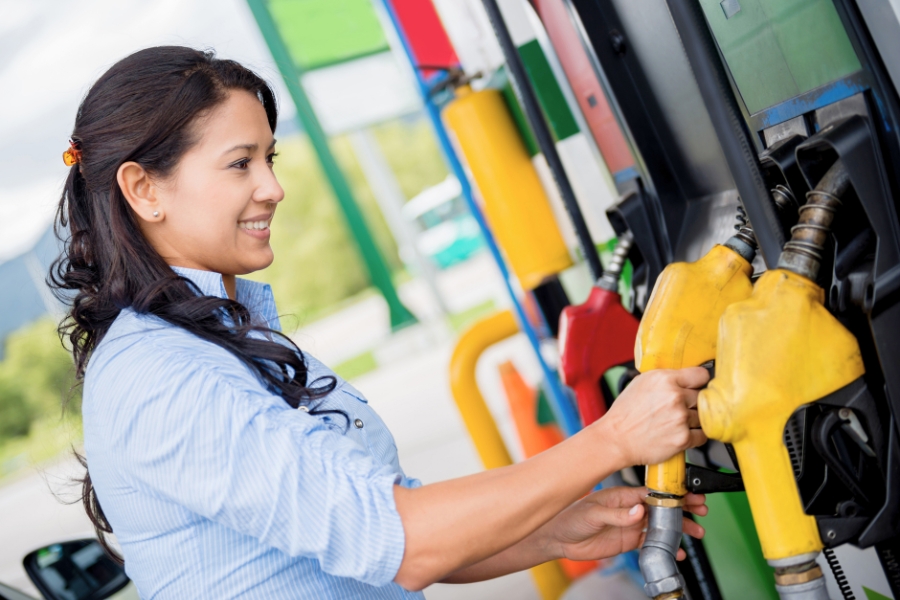
Bonaire is famous for its shore diving and natural beauty, making a rental vehicle essential for exploring the island. However, some logistical factors might be challenging for tourists planning to rent a car. Unlike the full-service systems in other islands, Bonaire's gas stations have a manual process that can confuse first-time visitors.
This guide will help you navigate the fueling process, from the layout of the stations to using the manual pumps. Since Bonaire uses the US Dollar, the financial aspect is straightforward, but understanding the procedural steps will enhance your experience. By mastering these simple steps, you can dodge frustrations and focus on enjoying the island's beautiful waters.
Bonaire is a relatively small island, but its gas stations are concentrated in specific areas, meaning you cannot always rely on finding a pump just around the corner. Most of the gas stations are clustered in and around the capital, Kralendijk. Within the city, it is very easy to fill up your car.
If your adventures take you away from the main hub, you must plan your fuel consumption carefully. For example, there is only one gas station located in the northern village of Rincon. This station is a vital lifeline for anyone planning to spend a full day exploring Washington Slagbaai National Park, as the park itself offers no refuelling services and features rugged terrain that can consume fuel more quickly than standard road driving.
It is also important to note that operating hours on the island are not universal. Most stations open early, around 7 AM, and close between 8 PM and 9 PM. There are currently no 24-hour gas stations in Bonaire, so it is unwise to wait until late at night to fill your tank if you have an early morning flight or dive scheduled.
Selecting the correct fuel is equally important, particularly given that many rental vehicles in Bonaire are diesel-powered pickup trucks used by divers. In most stations, the yellow nozzle signifies unleaded petrol, which is suitable for standard economy cars and SUVs. The black or red nozzles are typically reserved for diesel.
Because the island’s rental fleet is diverse, it is imperative to check the sticker inside your fuel door or on your car key tag before you begin. Putting petrol into a diesel engine, or vice versa, is an expensive mistake that can lead to significant mechanical failure and the loss of your security deposit.
The most significant difference tourists encounter at a Bonairean gas station is the sequence of payment. In many countries, the driver pumps the fuel first and pays afterwards, or uses a credit card directly at the machine. In Bonaire, the system is strictly pre-pay. To ensure you can easily navigate the process like a local, follow these specific steps.
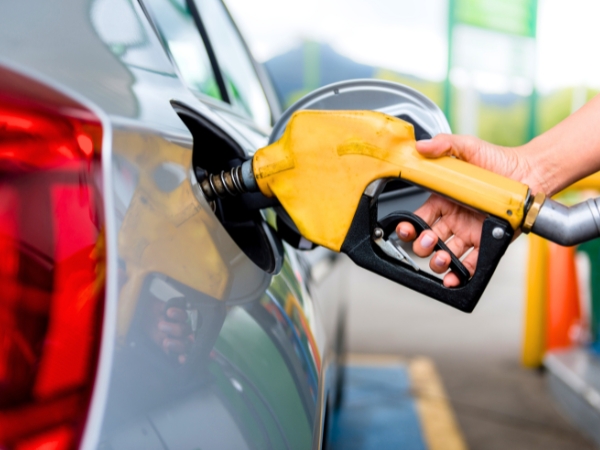
Cash remains a very popular and often the fastest way to pay at gas stations. Small denominations are particularly useful if you are simply topping up your tank before a short trip. While the process is manual, it is highly efficient, and cash transactions allow you to avoid the potential for card machine connectivity issues, which can occasionally occur in more remote areas.
Credit and debit cards are widely accepted at the larger stations in Kralendijk. Most modern cards with chips will work without issue, provided your bank is aware that you are travelling in the Caribbean. However, it is always a wise precaution to carry a backup cash reserve, especially when visiting the station in Rincon. Some smaller stations or specific pump kiosks may occasionally experience technical downtime with their card readers.
It is also worth noting that while the island is Dutch, the Euro is not accepted for payment at gas stations, so you should ensure your funds are in dollars or on a functional international card. Because Bonaire is a special municipality of the Netherlands that adopted the United States Dollar, currency exchange is rarely an issue for those coming from dollar-based economies.
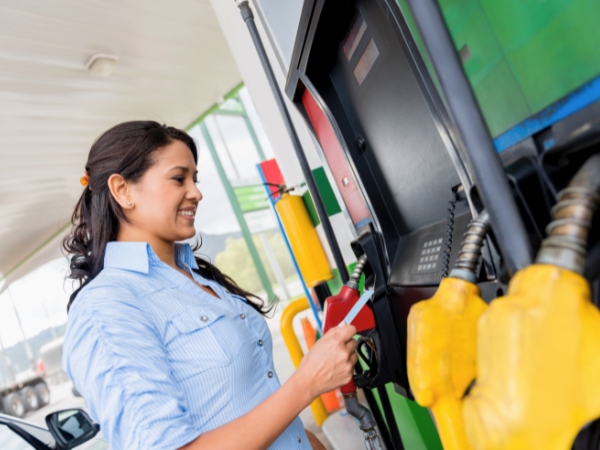
Refuelling in Bonaire is as much a social interaction as it is a chore. The island operates at a slower pace of life, often referred to as "island time". During the late afternoon, when the dive boats return, and the day trippers head back to their hotels, the gas stations can become quite busy.
It is important to remain patient and wait your turn in the queue without blocking the flow of traffic. It is considered polite to move your vehicle away from the pump once you have finished fueling if you intend to go inside the station shop to purchase snacks or drinks, as this frees up the pump for the next driver.
Standard safety protocols are strictly enforced at all Bonairean stations. Smoking and the use of mobile phones are prohibited while at the pump. Additionally, you should be mindful of your surroundings when entering and exiting the station. Bonaire is famous for its roaming populations of wild donkeys and goats.
These animals frequently wander near the roadsides and sometimes even into the forecourts of the stations. They have the right of way in the hearts of the locals, and hitting one can result in significant damage to your rental vehicle and a very distressing experience for the driver. Always keep a watchful eye for these four-legged residents as you navigate the station exits.
Mastering the art of refuelling in Bonaire is a small but essential part of becoming an informed traveller. While the requirement to pre-pay and the manual operation of the pump levers may feel a bit nostalgic compared to modern high-tech stations, the process is straightforward once you understand the steps. By planning your fuel stops around the Kralendijk hub, keeping a watchful eye on your gauge before heading north, and ensuring you have the correct currency or card access, you can ensure that your logistical needs are met with ease.
Now that you are equipped with the knowledge of how to navigate the pumps, you can focus on what really matters: exploring the turquoise waters and vibrant culture of Bonaire. The freedom of having your own vehicle is what allows you to truly discover the hidden corners of this beautiful island, from the salt pans in the south to the desert landscapes of the north. Whether you are a first-time visitor or a returning diver, a little preparation goes a long way in making your island road trip a success. Book your rental car today to start your adventure!