
Bonaire is an island that encourages exploration, unlike many Caribbean destinations that confine tourists to shuttle buses and resorts. To truly appreciate its rugged coastline and pristine marine park, renting a sturdy pickup truck or high-clearance SUV is essential, especially for handling the unpaved terrain and gear needed for shore diving. Having your own vehicle allows for a personalised pace, moving easily between dive sites and cafes without relying on unpredictable taxis.
Driving in Bonaire is relatively stress-free, with no parking meters and plenty of free spaces. However, as tourism has grown, parking regulations have become more structured, especially in the capital, Kralendijk, and at popular dive spots. Familiarising yourself with local parking rules and no-go zones is crucial to avoid fines and enjoy a worry-free Caribbean road trip while fully embracing the island's breathtaking scenery.
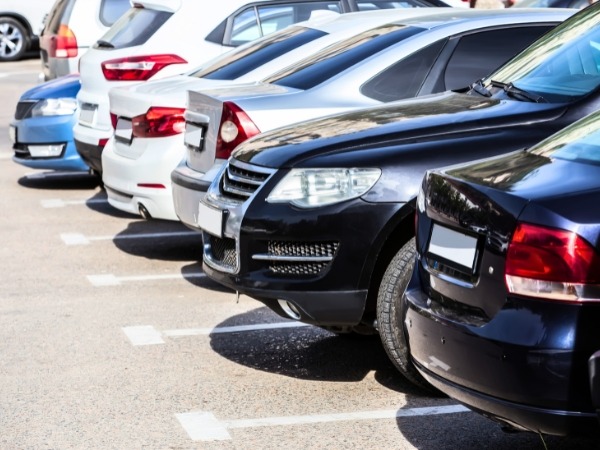
Kralendijk is the vibrant heart of Bonaire, serving as the primary hub for shopping, dining, and government services. Because the town was built long before the age of mass tourism, its narrow streets were not designed for the volume of traffic they now carry. When searching for street parking, you must pay close attention to the one-way system that governs the capital. Always ensure your vehicle is tucked neatly within the marked white bays to avoid obstructing the flow of traffic on these narrow lanes.
The greatest challenge for drivers in the capital is the arrival of cruise ships. On days when a large vessel is in port, the population of the town can double or triple in an instant. During these times, street parking near the waterfront becomes nearly impossible to find, and the central district can feel quite cramped. If you see a massive white ship looming over the rooftops, it is a sign that you should seek parking on the outskirts of the town centre rather than driving directly into the heart of the shopping district.
To combat this congestion, the local government has established several dedicated public parking lots that offer a much easier alternative to circling the block. One of the most notable additions is Brion Park, a modern facility situated on the southern edge of the downtown area. With over sixty spaces, it was specifically designed to provide tourists and locals with a reliable place to leave their cars within easy walking distance of the main promenade. This lot is often the best choice for those planning a long lunch or a few hours of souvenir shopping.
For those who don't mind a five-minute stroll, the lot near the municipal stadium provides an excellent alternative. It is rarely full and offers more space for larger pickup trucks that might feel oversized in the tighter street bays. If you are only stopping for a quick errand, such as visiting the post office or viewing the historic Fort Oranje, there are smaller designated areas nearby. However, these fill up very early in the morning.
Moving away from the capital, the parking situation becomes much more informal but requires a different kind of awareness. In Washington Slagbaai National Park, located at the northern tip of the island, the rules are dictated by conservation. Drivers must stick strictly to the designated parking areas at trailheads, museums, and beach entry points. The terrain here is exceptionally rugged, and the park authorities are very protective of the native flora. Parking on the grass or pushing your vehicle into the brush to find shade is strictly prohibited. It is best to arrive at the park early, as the most popular spots near the Wayaka beaches can fill up, leaving latecomers with a longer walk in the midday sun.
The southern loop of the island offers some of the most iconic sights, including the Salt Pier and the historic Slave Huts. Here, the road is a narrow ribbon of asphalt sandwiched between the turquoise sea and the pink salt pans. There are no formal parking lots in this region, so drivers must utilise the gravel shoulders. It is vital to pull your vehicle entirely off the road to ensure that large salt trucks and other tourists can pass safely. Because the shoulder can sometimes be soft or uneven, always test the ground before committing your full vehicle weight to the verge.
For those heading to Sorobon and Lac Bay for windsurfing or a day at the beach bars, parking is managed via large sandy lots. These areas are generally spacious, but they can become chaotic during weekend festivals or major sporting events. At the airport, the logistics are slightly more formal. Bonaire International Airport offers short-term parking at the P1 lot for those picking up arriving guests, while the P3 lot is reserved for longer stays. Even at the airport, the process is straightforward, though it is one of the few places where you should be mindful of staying within the painted lines to avoid a security tow.
Exploring Bonaire by car is an experience defined by simplicity and breathtaking scenery. By following the basic rules of the road, respecting the designated parking areas in town, and adopting the local "windows down" approach at the beach, you can navigate the island with total confidence. The minor inconveniences of a busy day in Kralendijk are easily offset by the sheer joy of discovering a hidden cove or a quiet salt pan at your own pace.
Bonaire remains one of the most driver-friendly destinations in the Caribbean, where the journey between sites is often just as beautiful as the destination itself. The island is perfectly set up for independent travellers, and the freedom of a rental car is the key that unlocks its many treasures. From the northern hills of the national park to the southern lighthouse, every corner of this paradise is waiting to be explored.
Do not worry about the logistics, and rent a car today to start your Bonaire escapade. Final Rentals makes booking a car easy. With just a few steps, you can secure a car via our website or through our mobile app, which is available for download on Google Play and the App Store.